
The best tai chi book for you depends on what you want to learn. You might need an illustrated sequence, an introduction to health research, adaptations for different physical abilities, or a deeper understanding of the ideas and processes behind the practice. These are different goals, and each book below addresses a particular one.
I teach Tai Chi Chuan and wrote one of these books. This is my selection as an author and teacher, not an independent ranking. I explain where my book fits and why you might choose another. Check the linked book or publisher pages for current editions and formats.
At a glance
| If you want to… | Start with… |
|---|---|
| Understand Tai Chi Chuan’s principles and discover its original classical texts | Beginning Tai Chi Chuan, Valerio Bellone |
| Read about tai chi, health research, and a practical program | The Harvard Medical School Guide to Tai Chi, Peter M. Wayne and Mark L. Fuerst |
| Explore one author’s personal interpretation of tai chi | The Essence of T’ai Chi, Waysun Liao |
| Find illustrated practice adapted to different mobility levels | Adaptive Tai Chi, Zibin Guo |
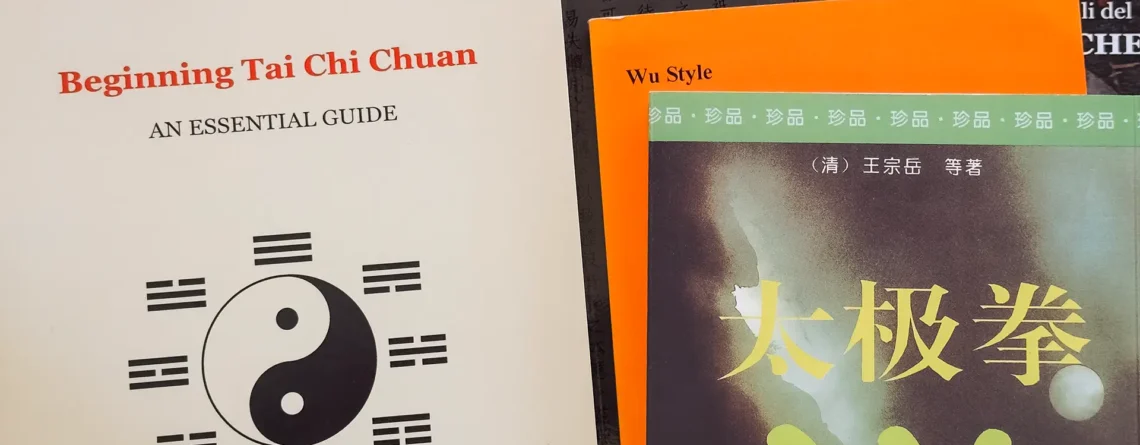
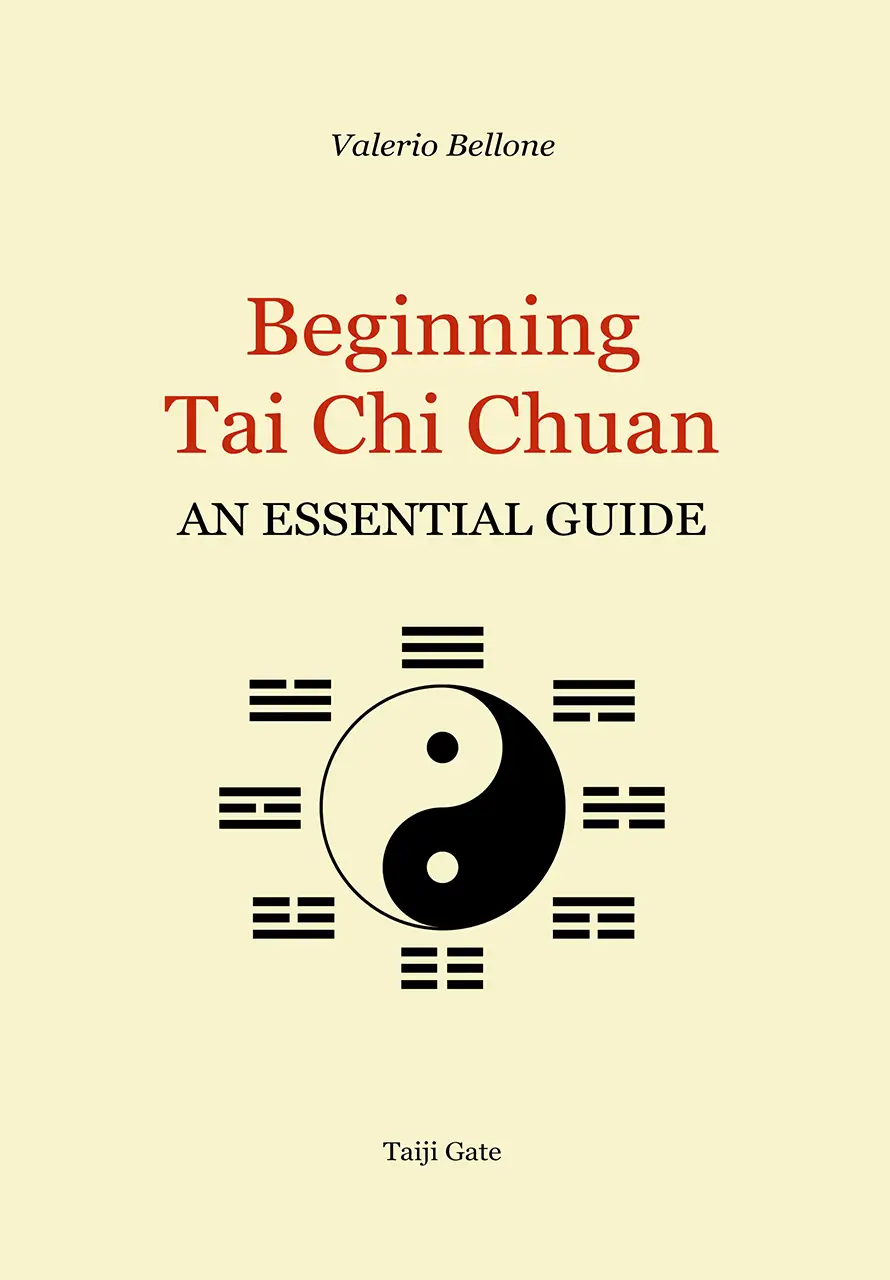
For understanding what you are practicing: Beginning Tai Chi Chuan: An Essential Guide
My book introduces beginners and existing students to what Tai Chi Chuan really is: the ideas and processes that give the movements meaning during practice. It guides readers through the foundations of the art, then introduces the original classical texts through thirteen selected passages. Each passage is explained in relation to what you do when you practice.
Choose it if: you want to understand what guides the movements, what you are learning through practice, and how the classical texts help explain the art.
See the contents and intended readers of Beginning Tai Chi Chuan.
For a health-centered introduction: The Harvard Medical School Guide to Tai Chi
Peter M. Wayne and Mark L. Fuerst approach tai chi through health research and a practical program. Their book is a useful starting point if you are especially interested in the relationship between tai chi, wellbeing, and daily life.
Choose it if: you want a health-oriented introduction that discusses research and offers a program to explore.

For a personal interpretation of tai chi: The Essence of T’ai Chi
Waysun Liao presents his interpretation of tai chi and comments on writings he identifies as classics. I include his book for readers interested in his particular perspective on the art.
Choose it if: you are interested in how Liao personally understands and explains tai chi.

For adaptable illustrated sequences: Adaptive Tai Chi
Zibin Guo presents illustrated practices adapted to different physical abilities, including seated and wheelchair sequences alongside standing options. The book focuses on making movement instruction available to readers with different mobility needs.
Choose it if: you are looking for illustrated practice with options that accommodate different ways of moving.

Which tai chi book should you buy first?
Start with the question you want your first book to answer. To learn a specific sequence visually, choose a guide that teaches the form you intend to practice. For a health-oriented approach, consider Wayne and Fuerst. Guo offers illustrated options for different mobility levels, while Liao offers his personal interpretation of tai chi.
If you want to understand what Tai Chi Chuan is and which processes and ideas guide you as you practice, begin with my guide. It builds that foundation and introduces the original classical texts through thirteen passages explained in the context of practice.